KOREAN FOOD ATLAS
A taste of Korea.
Diverse flavours, local stories, and everyday meals across the peninsula.
Food index
Dolsot bibimbap
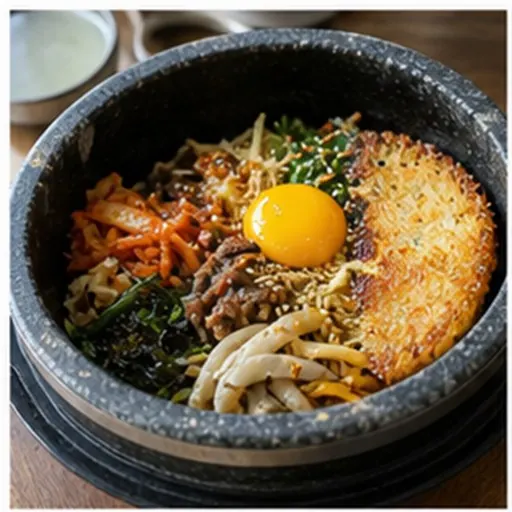
돌솥비빔밥Dolsot bibimbap serves the familiar components of bibimbap in a preheated stone bowl. The bowl keeps the meal hot and continues cooking the egg and toppings as they are mixed. Rice touching the stone browns into a crisp, nutty crust, so diners scrape and mix the bottom layer into the rest of the bowl.
In detail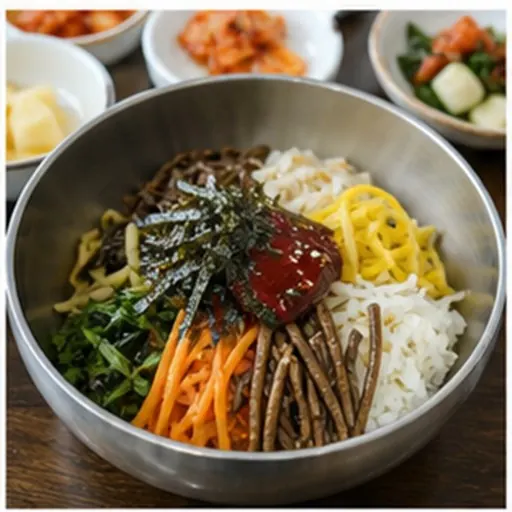
Jeonju bibimbap
전주비빔밥Jeonju-style bibimbap uses rice cooked in beef-bone broth with seasoned vegetables, beef and egg. Hwangpomuk, mung-bean jelly colored yellow with gardenia, adds a soft contrast among the toppings. The vegetables and meat preparation vary by restaurant.
In detail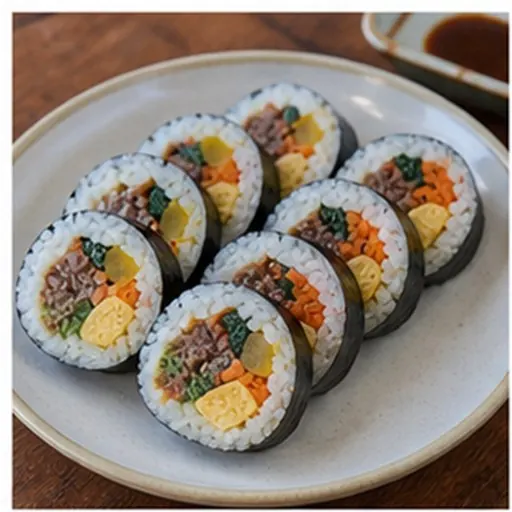
Kimchi jjigae
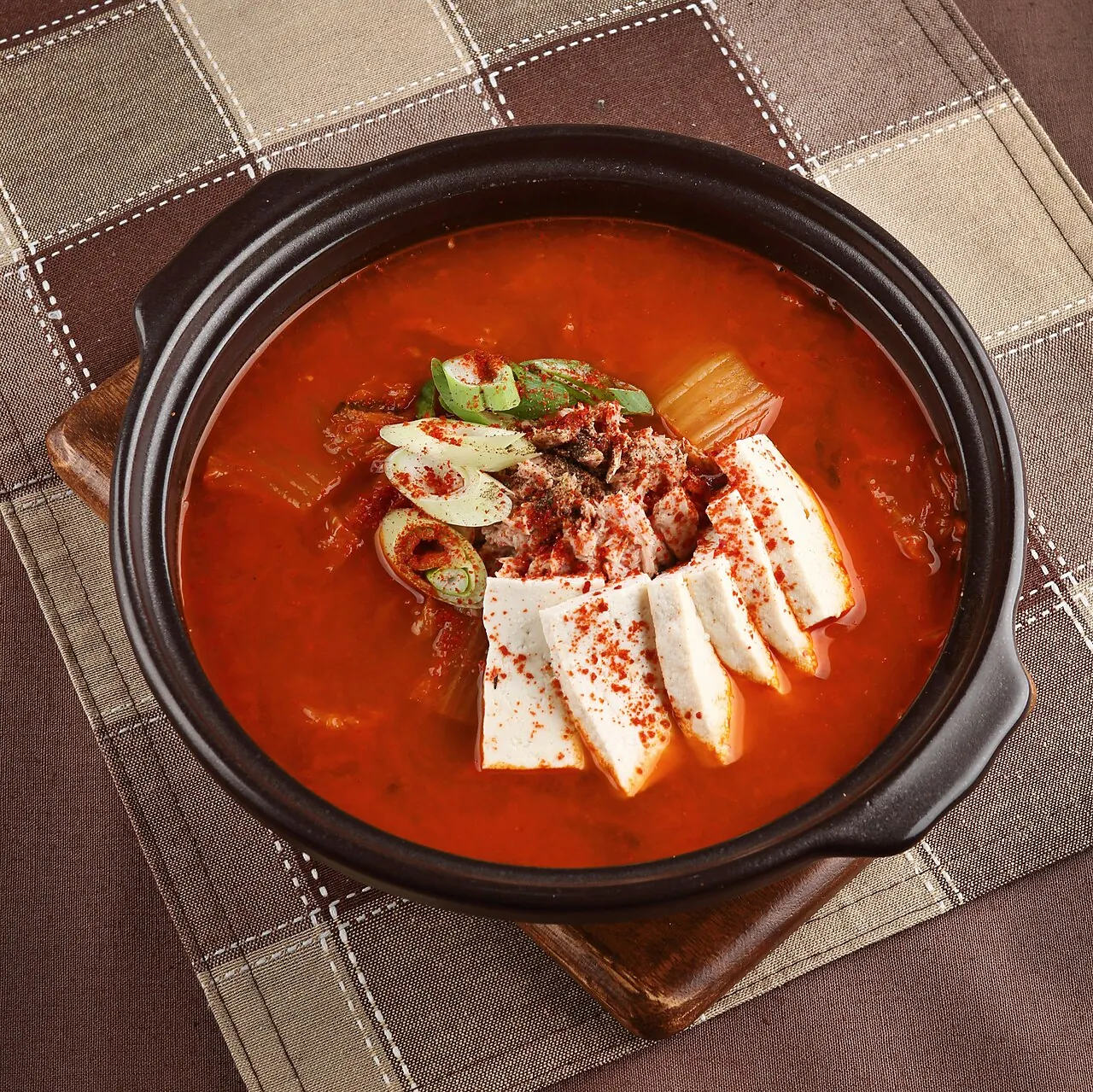
김치찌개Ripe, sour kimchi is simmered with ingredients such as pork and tofu. The cooking draws meat fat and seasoning into the broth and softens the cabbage. Pork, canned tuna and saury versions differ, so the meat or fish named on the menu matters.
In detail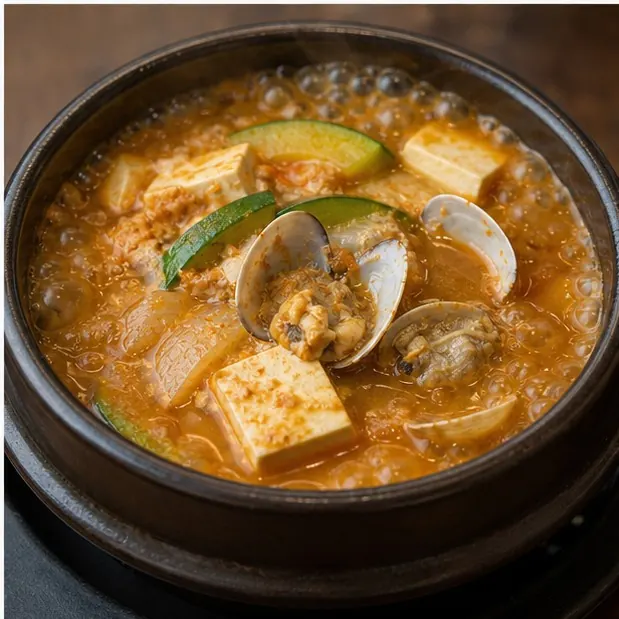
Doenjang jjigae
된장찌개Soybean paste seasons a relatively concentrated stew of tofu, zucchini and mushrooms, sometimes with clams or beef. It generally has more solids and stronger seasoning than doenjang-guk. A brown broth can still be spicy from chili powder or fresh chilies.
In detail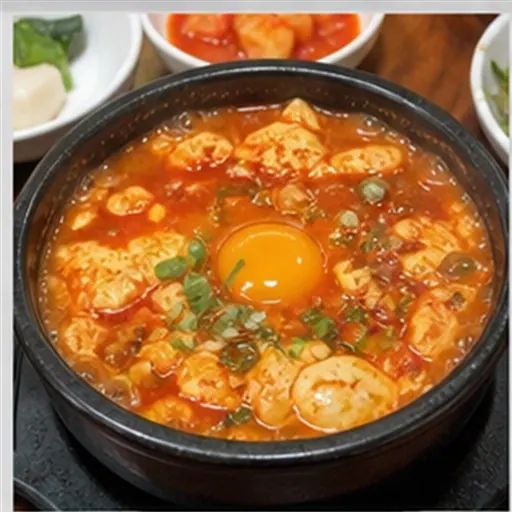
Sundubu jjigae
순두부찌개Soft, unpressed tofu is simmered in broth. Red seafood or pork versions are familiar, but white, chili-free preparations also exist. The tofu’s gentle texture does not mean that a red sundubu stew is mild.
In detail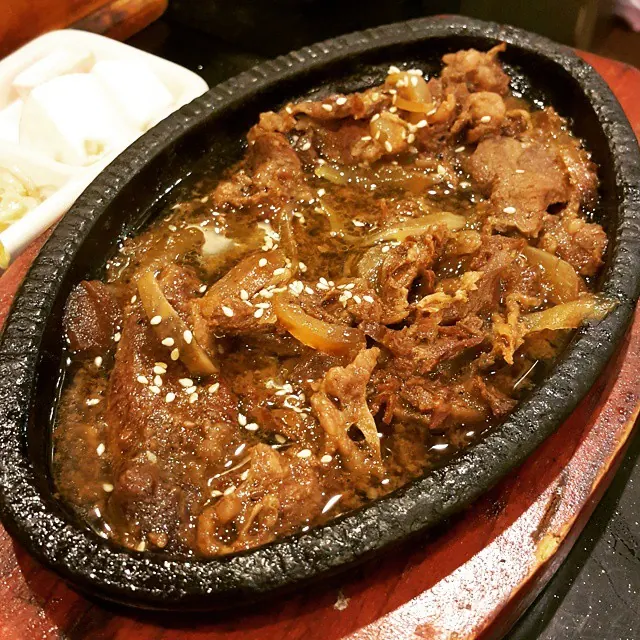
Samgyeopsal
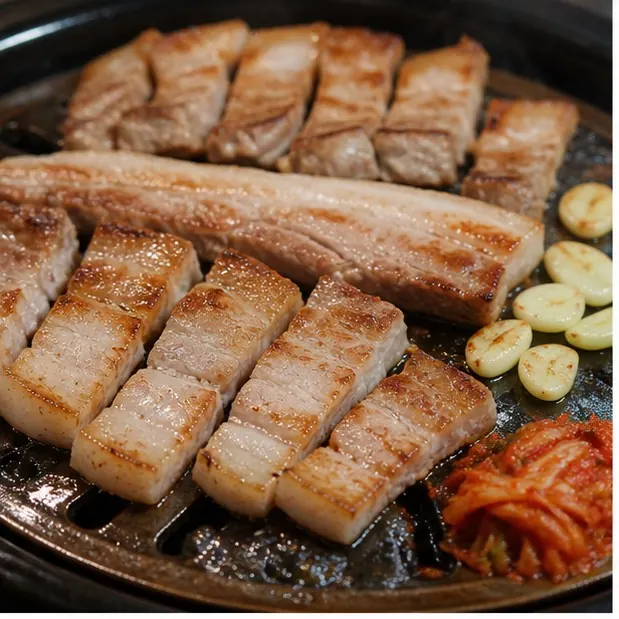
삼겹살Layered pork belly is grilled on a plate or over charcoal. Meat and rendered fat lead the flavor rather than a soy marinade. Cooked pieces can be dipped in salt or ssamjang, or wrapped in leafy vegetables; thickness affects cooking time.
In detail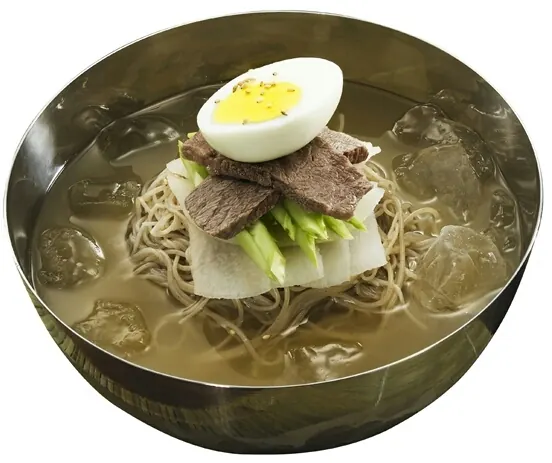
Mul naengmyeon
물냉면Noodles sit in chilled broth beneath radish, cucumber and egg. Some bowls arrive with slushy ice. Broths range from meat-forward to sharply refreshing with radish-water kimchi, so two bowls labeled mul naengmyeon can taste quite different.
In detail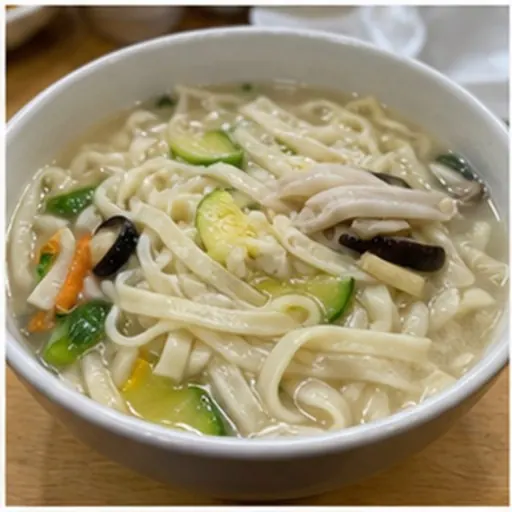
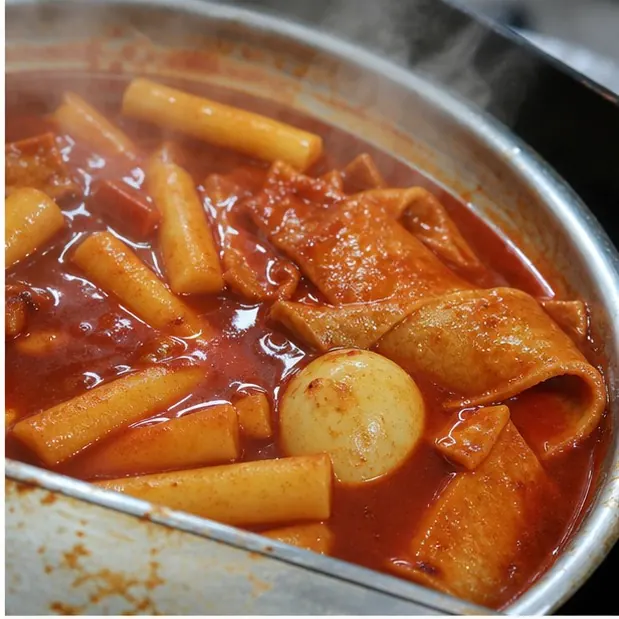
Tteokbokki
떡볶이Soft rice or wheat cakes cook in a sweet, spicy red sauce. Rice cakes tend to have a dense bite, while wheat cakes soften and absorb the seasoning. Fish cake and boiled eggs are common additions, and some versions retain plenty of sauce.
In detail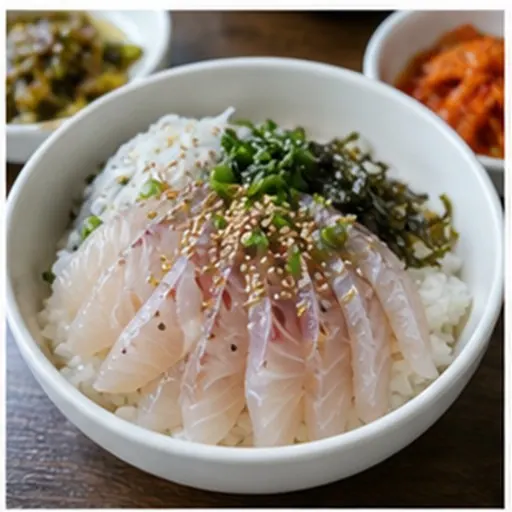
Hoe-deopbap
회덮밥Raw fish and crisp vegetables are mixed with rice and sweet-tart vinegared gochujang. The texture comes from uncooked lettuce, perilla and cucumber rather than seasoned, cooked namul. The fish is raw, and the species depends on the restaurant and supply.
In detail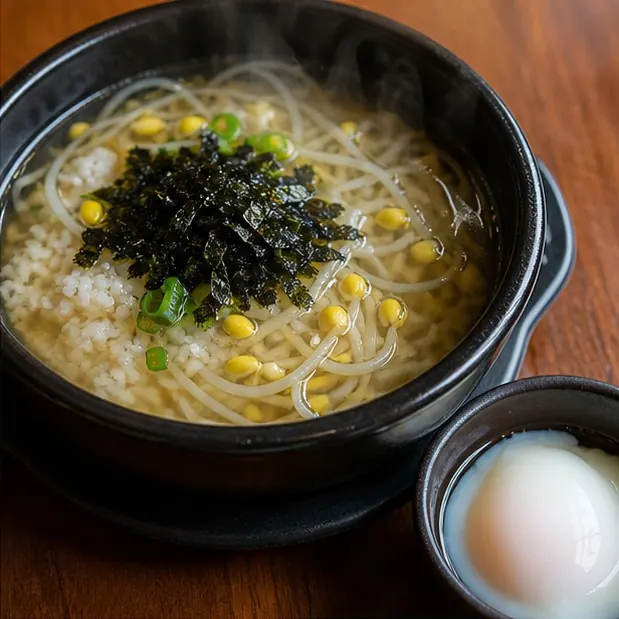
Kongnamul gukbap
콩나물국밥Bean sprouts and rice form a hot soup meal. Jeonju has both vigorously boiled stone-pot servings and Nambu Market-style bowls assembled with hot broth. A separate soft egg in the latter style can be eaten first with a little soup and laver added to its own dish.
In detail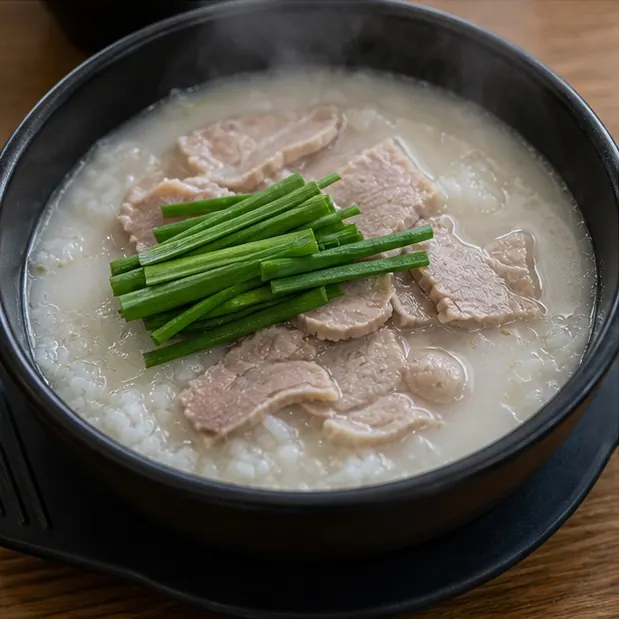
Dwaeji gukbap
돼지국밥Pork and bones are simmered into a broth served with rice. Diners usually add chives, salted shrimp and chili seasoning at the table; broth color and pork cuts vary by shop. In Busan it is not merely a visitor specialty but a fast, hearty everyday meal.
In detail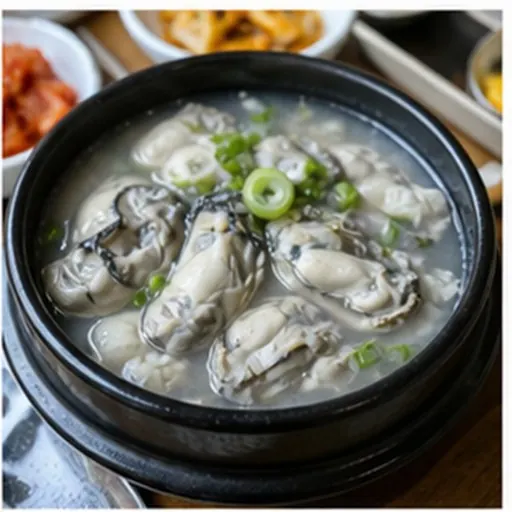
Oyster gukbap
굴국밥Oysters are simmered with radish and tofu, with rice served in the soup or alongside. The broth emphasizes the oysters’ marine flavor and radish rather than the heavy richness of a bone soup. Some versions add egg or seaweed.
In detail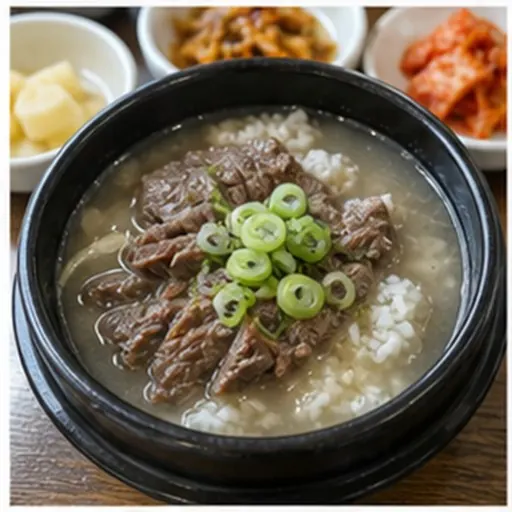
Beef gukbap
소고기국밥Beef, radish and green onion form the soup, with rice in the bowl or alongside. Some Gyeongsang-style versions are red and spicy, while others are clear. The name alone does not establish heat level, and it is not automatically the same dish as yukgaejang.
In detail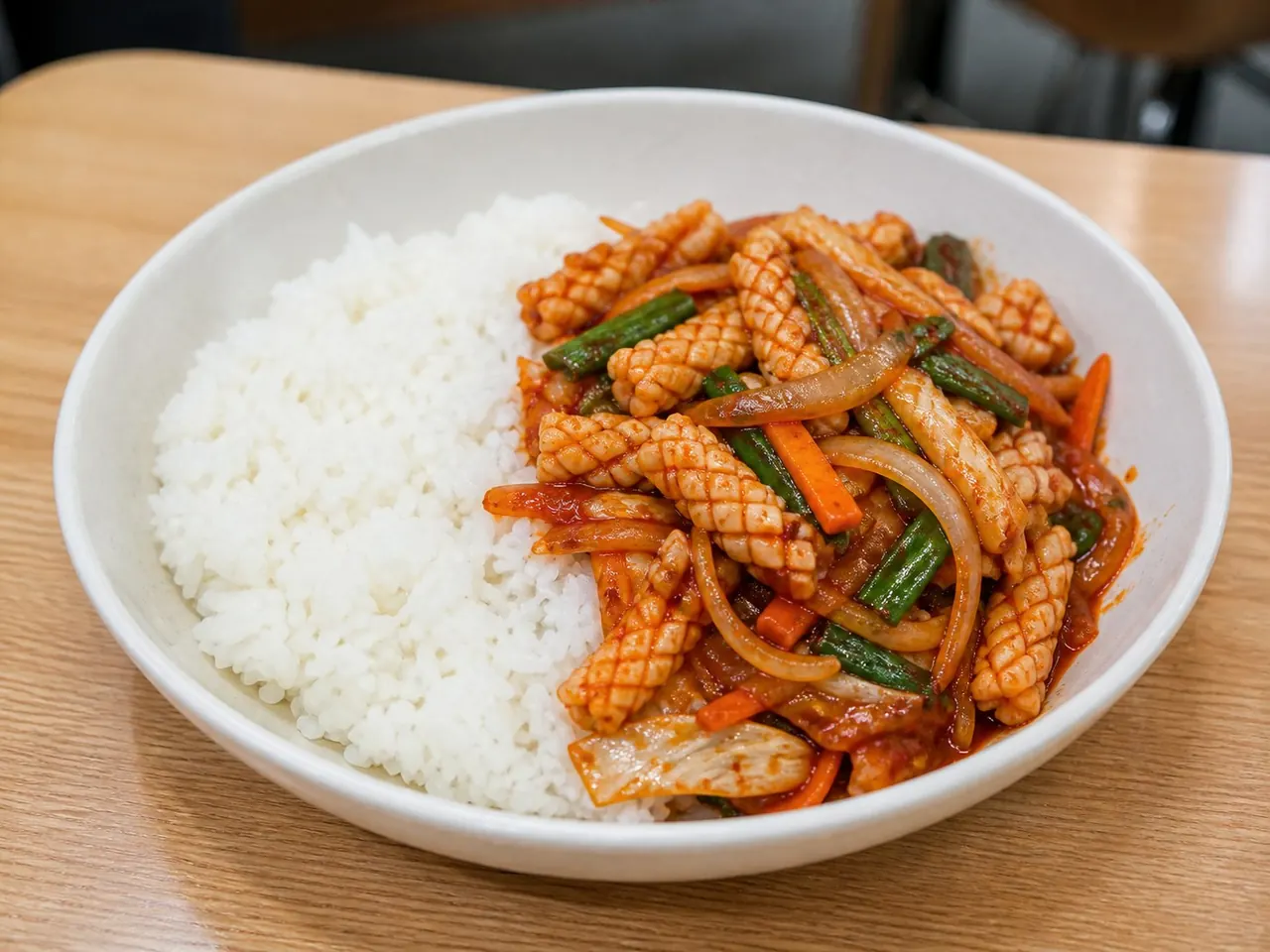
Ojingeo deopbap
오징어덮밥Ojingeo-deopbap tops steamed rice with squid cut into bite-size pieces and quickly stir-fried with onions, green onions and a sweet-spicy gochujang and gochugaru sauce. Both body and tentacle pieces provide a springy chew; brief high-heat cooking helps prevent toughness. Bean sprouts and shredded laver are not defining garnishes.
In detail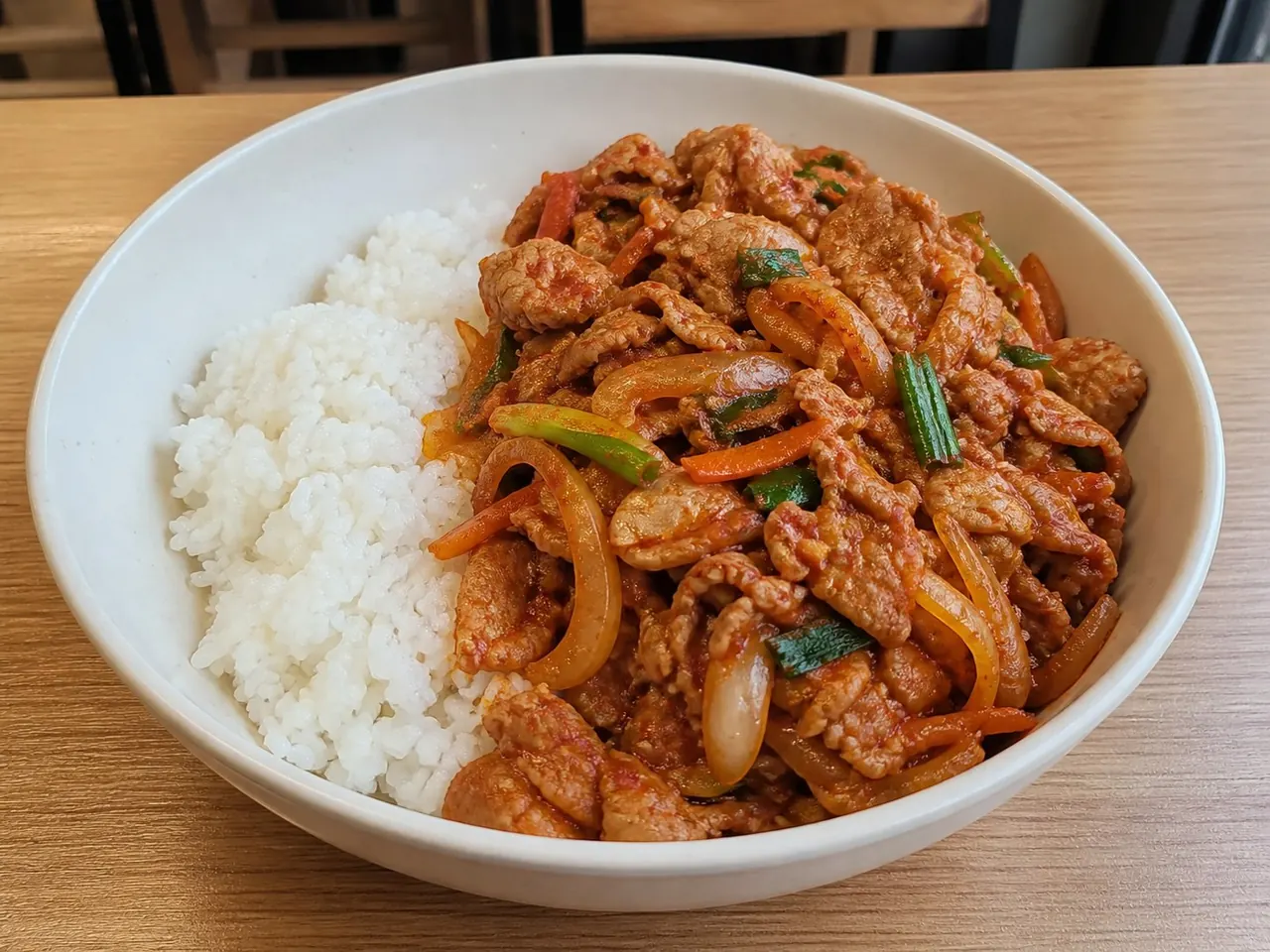
Jeyuk deopbap
제육덮밥Jeyuk-deopbap is a one-bowl meal of thin pork shoulder, neck or front-leg slices stir-fried with onions, green onions and carrots in a gochujang and gochugaru sauce, then served over rice. The pork fat and sweet-spicy seasoning soak into the rice. Bean sprouts and shredded laver are not standard defining toppings; cabbage, perilla leaves or chili may vary by restaurant.
In detail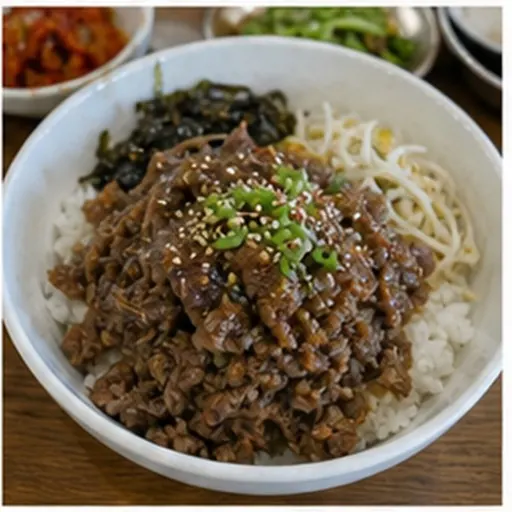
Bulgogi deopbap
불고기덮밥Bulgogi-deopbap places thin beef and onion marinated with soy sauce, sugar, sesame oil and garlic over rice. The sweet-savory pan juices are spooned over the rice with the meat, sometimes finished with seasoned green onion or sesame seeds. Laver, bean sprouts and egg are not defining toppings.
In detail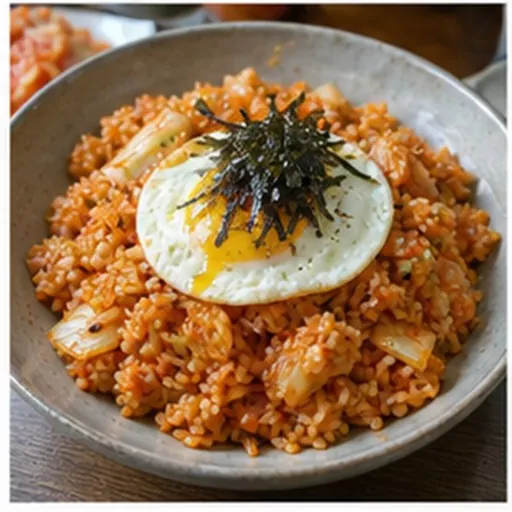
Kimchi fried rice
김치볶음밥Kimchi-bokkeumbap stir-fries cooked rice with chopped, well-fermented kimchi. The kimchi's chili seasoning and acidity cut through the richness of the fried rice, while a little kimchi juice adjusts color and seasoning. Pork, tuna, ham or a fried egg may be added, but none is mandatory.
In detail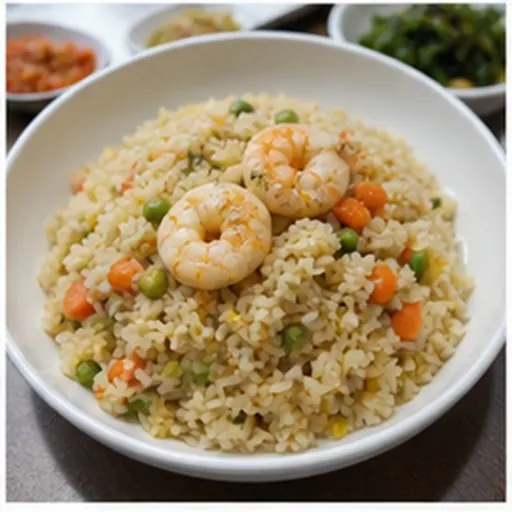
Shrimp fried rice
새우볶음밥Shrimp fried rice stir-fries shrimp and finely diced vegetables before mixing in rice so the grains separate evenly. Plump shrimp, egg and vegetables provide the main texture and flavor. It may be seasoned simply with salt and pepper or with a little soy or oyster sauce; hot chili sauce and laver are not defining ingredients.
In detail