
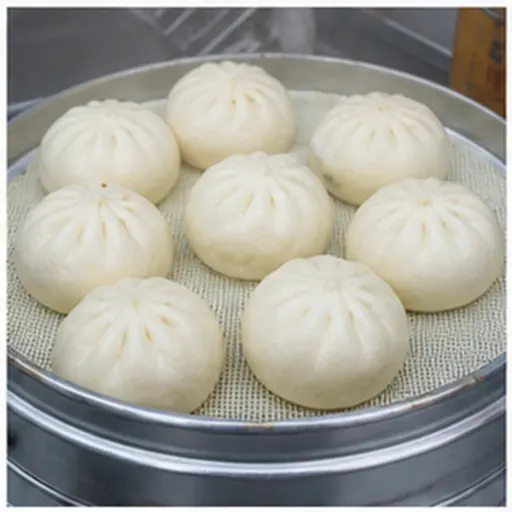

Korean-style serving of Steamed filled bun

호빵 · Steamed filled bun

Steamed filled bun

호빵

What exactly is it?

A soft steamed bun encloses sweet red-bean paste or a savory filling. Vegetable, meat and pizza-style versions are also sold. You may buy one warm from a convenience-store steamer or reheat a packaged bun.

Main ingredients

Wheat dough and red-bean filling; savory versions may contain vegetables, meat or pizza-style filling

Ordering and serving

Peel off the thin paper underneath. A vegetable-flavored product may still contain meat, so check the label.

Origins and changes

The name spread through Samlip’s product launched in 1971. It represents the packaging and retailing of steamed buns as a convenient ready-to-heat snack.

Sources checked

Related foods

How do similar dishes compare?

Choose a dish to compare ingredients, flavor and serving style side by side.

Dish to compare

Steamed filled bun

호빵

Main ingredients
Wheat dough and red-bean filling; savory versions may contain vegetables, meat or pizza-style filling
Flavor and character
A soft steamed bun encloses sweet red-bean paste or a savory filling. Vegetable, meat and pizza-style versions are also sold. You may buy one warm from a convenience-store steamer or reheat a packaged bun.
How to eat it
Peel off the thin paper underneath. A vegetable-flavored product may still contain meat, so check the label.
Read about this dish →

Fish-shaped red-bean bun

붕어빵

Main ingredients
Flour batter and sweet red-bean filling; other versions use custard, chocolate or cheese
Flavor and character
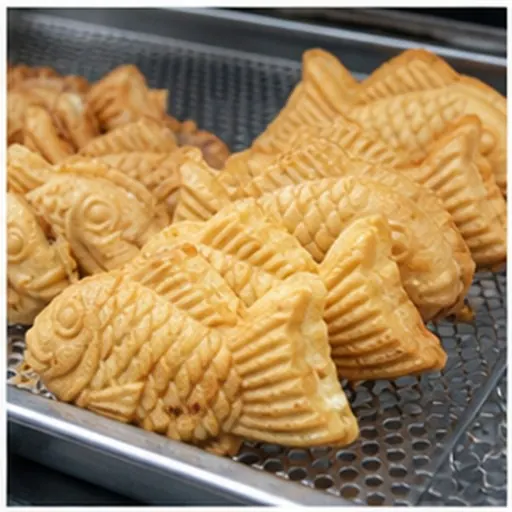
Batter and sweet red-bean paste bake in a fish-shaped mold. The thin tail turns crisp while the body holds the filling. Despite the shape, the standard bun contains no fish; custard is another common filling.
How to eat it
Specify how many red-bean and custard buns you want. The filling in the body stays hotter than the thin tail.
Read about this dish →
Find nearby food places →

Check the restaurant’s actual menu for the dish you want.