
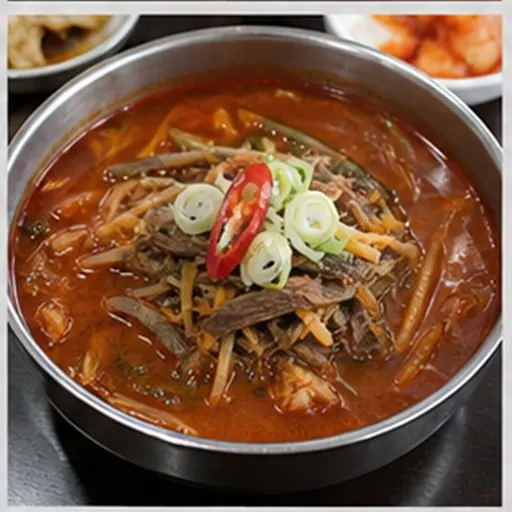
Korean-style serving of Yukgaejang

육개장 · Yukgaejang

Yukgaejang

육개장

What exactly is it?

Shredded, long-cooked beef and vegetables such as scallion and bracken simmer in a chili-seasoned broth. The strands of meat and greens distinguish it from a clear beef-and-radish soup. Egg or glass noodles may be added.

Main ingredients

Beef, green onion, bracken or taro stems, chili powder or chili oil

Ordering and serving

The broth itself is seasoned, so removing a finishing chili paste will not necessarily make it mild. Yuk-kal combines this soup with kalguksu noodles; plain yukgaejang may instead come with rice.

Origins and changes

It belongs to the custom of eating hot meat soup even on the hottest summer days. The Encyclopedia of Korean Culture explains this through the cultural idea of meeting heat with heat. It is now eaten year-round; that tradition is not a medical promise.

Sources checked

Related foods

How do similar dishes compare?

Choose a dish to compare ingredients, flavor and serving style side by side.

Dish to compare

Yukgaejang

육개장

Main ingredients
Beef, green onion, bracken or taro stems, chili powder or chili oil
Flavor and character
Shredded, long-cooked beef and vegetables such as scallion and bracken simmer in a chili-seasoned broth. The strands of meat and greens distinguish it from a clear beef-and-radish soup. Egg or glass noodles may be added.
How to eat it
The broth itself is seasoned, so removing a finishing chili paste will not necessarily make it mild. Yuk-kal combines this soup with kalguksu noodles; plain yukgaejang may instead come with rice.
Read about this dish →

Seolleongtang

설렁탕

Main ingredients
Ox bones and beef, green onion; noodles and rice according to the serving
Flavor and character
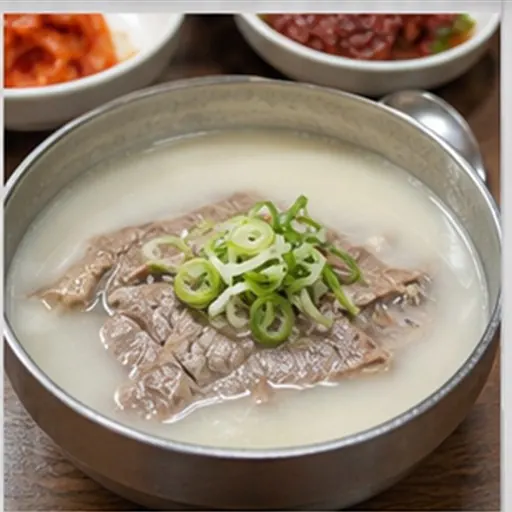
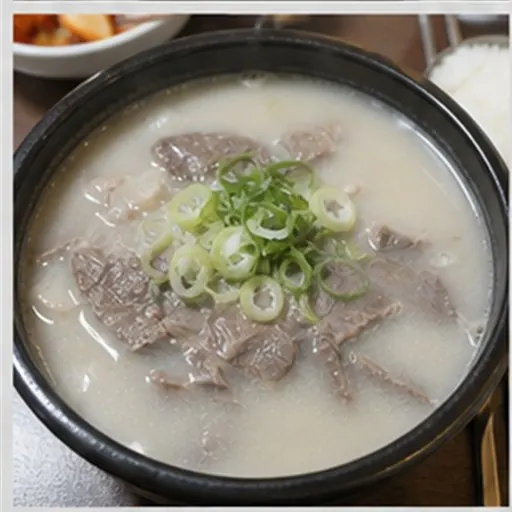
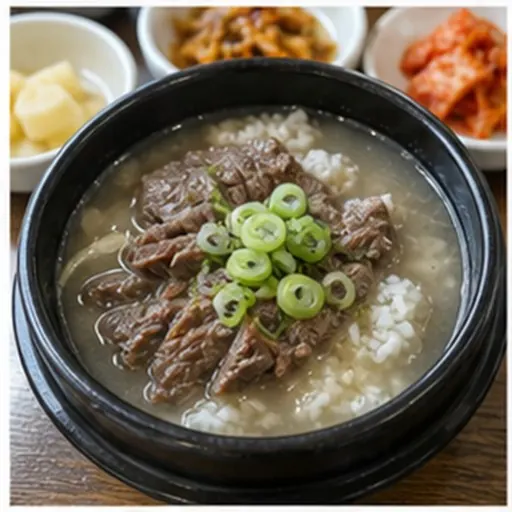
Ox bones and beef are simmered into a milky broth, often with sliced meat and sometimes thin noodles. Rice may come separately or in the soup. Many shops leave the salt level low for diners to adjust at the table.
How to eat it
Taste before adding salt, pepper and scallion. Adding radish-kimchi juice is optional, not a required step. The traditional broth’s milkiness comes from cooking bones, not from milk as a standard ingredient.
Read about this dish →
Find nearby food places →

Check the restaurant’s actual menu for the dish you want.