
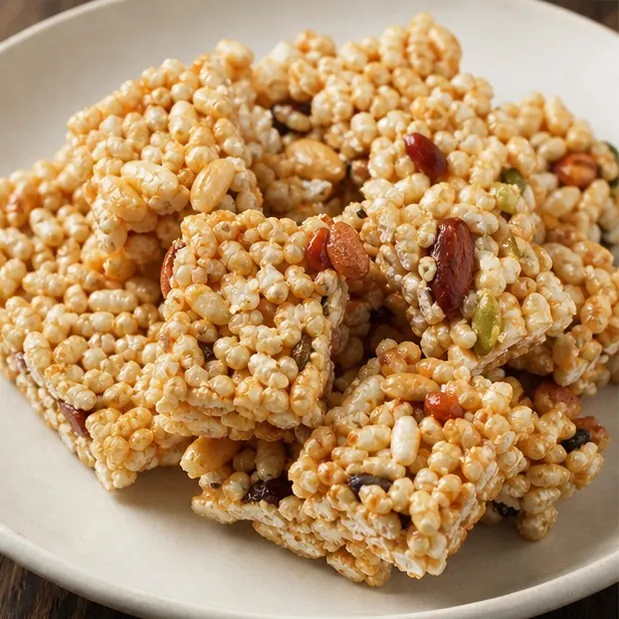
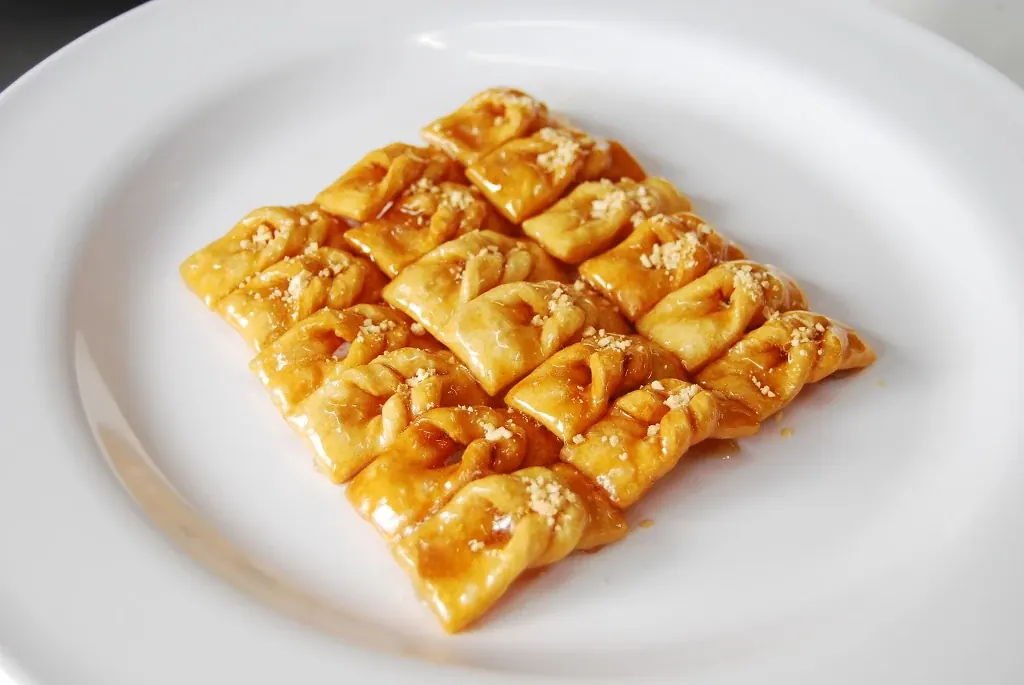
Traditional gangjeong with nuts

강정 · Gangjeong

Gangjeong

강정

What exactly is it?

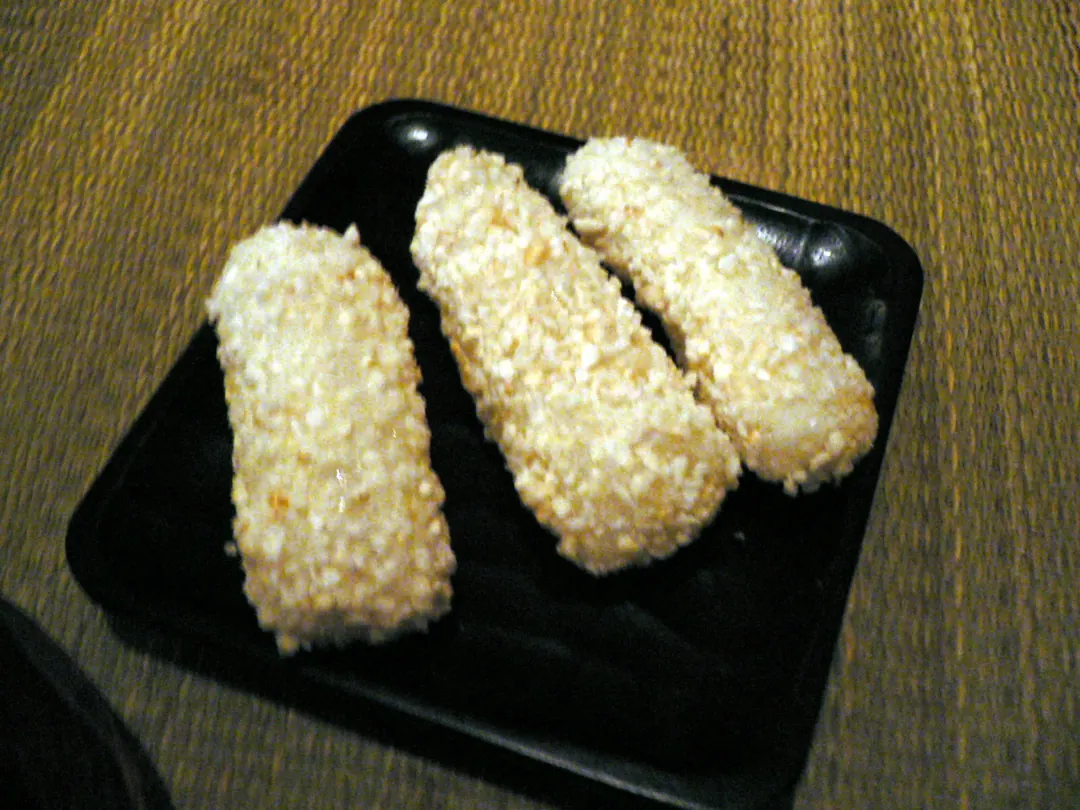
Gangjeong can mean more than one texture. Traditional puffed sticky-rice sweets have an airy center; yeot-gangjeong binds seeds, beans or nuts with syrup into a dense brittle. Check which form is being sold.

Main ingredients

Depending on style: sticky-rice dough or roasted grains, sesame or nuts, with grain syrup

Ordering and serving

Dense seed or nut bars can be quite hard. Ask for the airy puffed style if you want a lighter bite.

Origins and changes

The hollow gangjeong described in Gyuhap Chongseo expands during frying. Other named versions, such as soybean yeot-gangjeong, bind roasted ingredients with syrup instead.

Sources checked

Related foods

How do similar dishes compare?

Choose a dish to compare ingredients, flavor and serving style side by side.

Dish to compare

Gangjeong

강정

Main ingredients
Depending on style: sticky-rice dough or roasted grains, sesame or nuts, with grain syrup
Flavor and character
Gangjeong can mean more than one texture. Traditional puffed sticky-rice sweets have an airy center; yeot-gangjeong binds seeds, beans or nuts with syrup into a dense brittle. Check which form is being sold.
How to eat it
Dense seed or nut bars can be quite hard. Ask for the airy puffed style if you want a lighter bite.
Read about this dish →

Hangwa

한과

Main ingredients
Depending on type: rice or wheat flour, honey or grain syrup, seeds, beans, nuts or fruit
Flavor and character
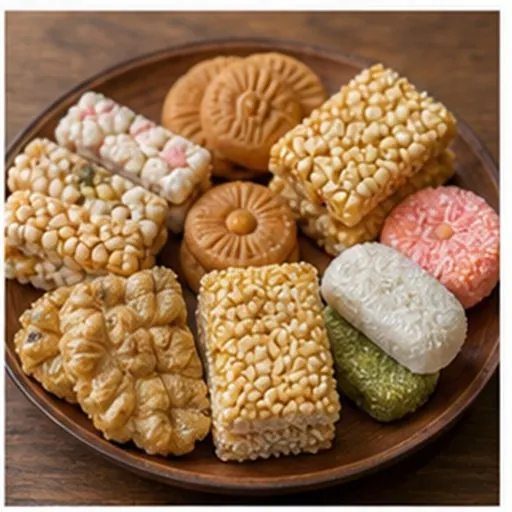
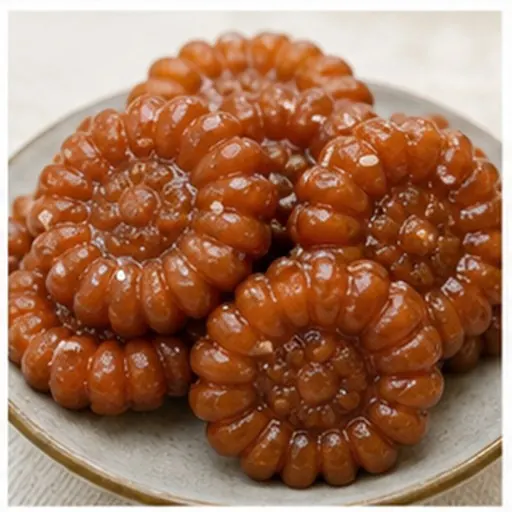
Hangwa is an umbrella term for traditional Korean sweets. Syrup-soaked yakgwa, airy yugwa and molded powder-based dasik differ greatly in ingredients and texture. An assortment is not simply several shapes of the same rice puff.
How to eat it
For a gift, check the ingredients of each variety, especially nuts, wheat and sesame. One assortment can contain several different recipes.
Read about this dish →
Find nearby food places →

Check the restaurant’s actual menu for the dish you want.