
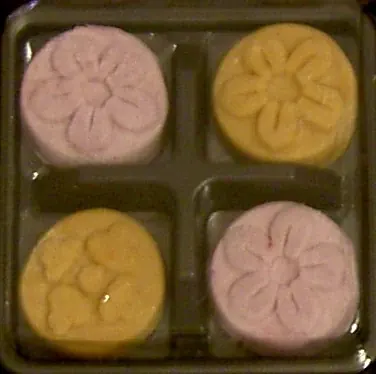
Photograph of Maejakgwa
삼삶스토리 · CC BY 4.0

매작과 · Maejakgwa

Maejakgwa

매작과

What exactly is it?

Thin dough is slit, twisted, fried and coated with syrup. The ribbon-like shape is lighter and crisper than dense yakgwa. Ginger or cinnamon adds fragrance, and colored dough can create a varied assortment.

Main ingredients

Flour, ginger water, frying oil and sugar syrup; optional cinnamon or pine nuts

Ordering and serving

Despite the twist, this is a thin crisp confection rather than a fluffy doughnut. Pack it where it will not be crushed.

Origins and changes

The name relates its shape to a sparrow on a plum tree. Passing one end of the slit dough through itself creates the distinctive twist before frying.

Sources checked

Related foods

How do similar dishes compare?

Choose a dish to compare ingredients, flavor and serving style side by side.

Dish to compare

Maejakgwa

매작과

Main ingredients
Flour, ginger water, frying oil and sugar syrup; optional cinnamon or pine nuts
Flavor and character
Thin dough is slit, twisted, fried and coated with syrup. The ribbon-like shape is lighter and crisper than dense yakgwa. Ginger or cinnamon adds fragrance, and colored dough can create a varied assortment.
How to eat it
Despite the twist, this is a thin crisp confection rather than a fluffy doughnut. Pack it where it will not be crushed.
Read about this dish →

Hangwa

한과

Main ingredients
Depending on type: rice or wheat flour, honey or grain syrup, seeds, beans, nuts or fruit
Flavor and character
Hangwa is an umbrella term for traditional Korean sweets. Syrup-soaked yakgwa, airy yugwa and molded powder-based dasik differ greatly in ingredients and texture. An assortment is not simply several shapes of the same rice puff.
How to eat it
For a gift, check the ingredients of each variety, especially nuts, wheat and sesame. One assortment can contain several different recipes.
Read about this dish →
Find nearby food places →

Check the restaurant’s actual menu for the dish you want.