
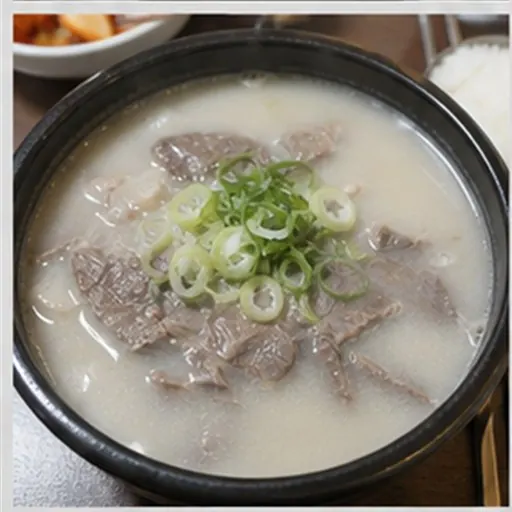
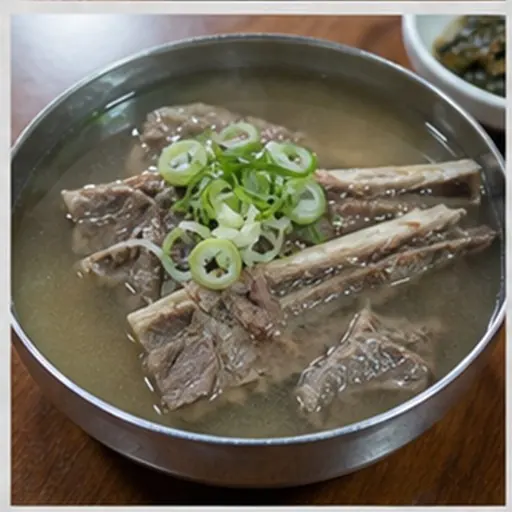
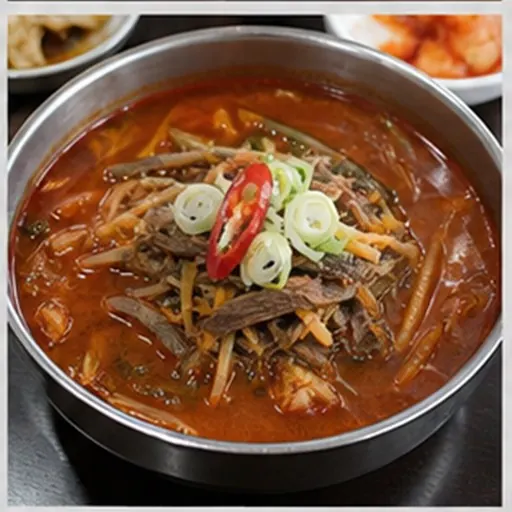
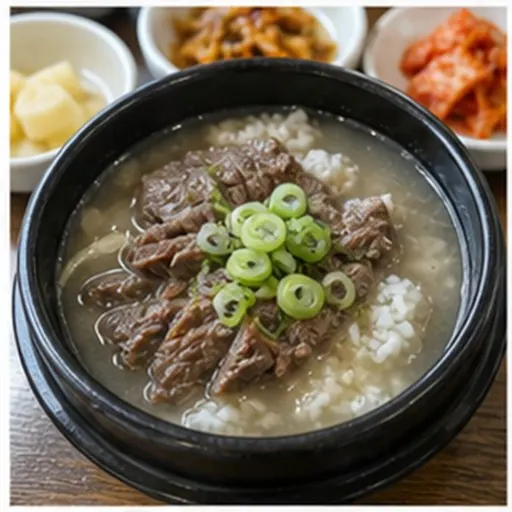
Korean-style serving of Gomtang

곰탕 · Gomtang

Gomtang

곰탕

What exactly is it?

Beef is simmered slowly to extract a meaty broth. Clear Naju-style bowls coexist with richer versions cooked with bones, so broth color alone does not create a strict boundary between gomtang and seolleongtang.

Main ingredients

Beef brisket or shank, radish, scallion; bones vary by recipe

Ordering and serving

A “special” portion usually changes the amount or cuts of meat, but the details vary. Ask how it differs from the standard bowl. A separate soy-based dip may be intended for the meat rather than the broth.

Origins and changes

The name relates to long simmering. Regional and cut-specific dishes, including Naju gomtang and oxtail gomtang, developed within this beef-soup tradition. The name does not prescribe one meat cut or bone ratio.

Sources checked

Related foods

How do similar dishes compare?

Choose a dish to compare ingredients, flavor and serving style side by side.

Dish to compare

Gomtang

곰탕

Main ingredients
Beef brisket or shank, radish, scallion; bones vary by recipe
Flavor and character
Beef is simmered slowly to extract a meaty broth. Clear Naju-style bowls coexist with richer versions cooked with bones, so broth color alone does not create a strict boundary between gomtang and seolleongtang.
How to eat it
A “special” portion usually changes the amount or cuts of meat, but the details vary. Ask how it differs from the standard bowl. A separate soy-based dip may be intended for the meat rather than the broth.
Read about this dish →

Seolleongtang

설렁탕

Main ingredients
Ox bones and beef, green onion; noodles and rice according to the serving
Flavor and character
Ox bones and beef are simmered into a milky broth, often with sliced meat and sometimes thin noodles. Rice may come separately or in the soup. Many shops leave the salt level low for diners to adjust at the table.
How to eat it
Taste before adding salt, pepper and scallion. Adding radish-kimchi juice is optional, not a required step. The traditional broth’s milkiness comes from cooking bones, not from milk as a standard ingredient.
Read about this dish →
Find nearby food places →

Check the restaurant’s actual menu for the dish you want.