
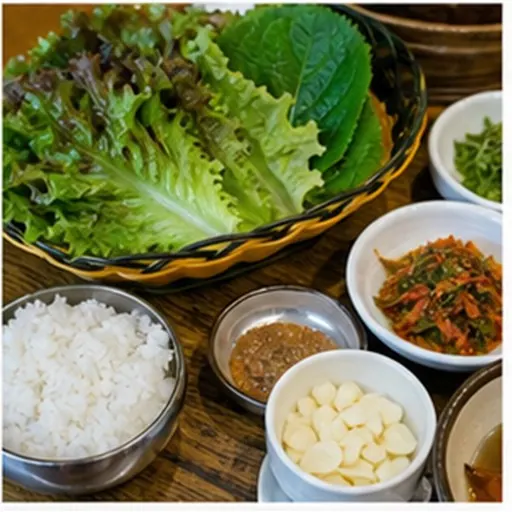
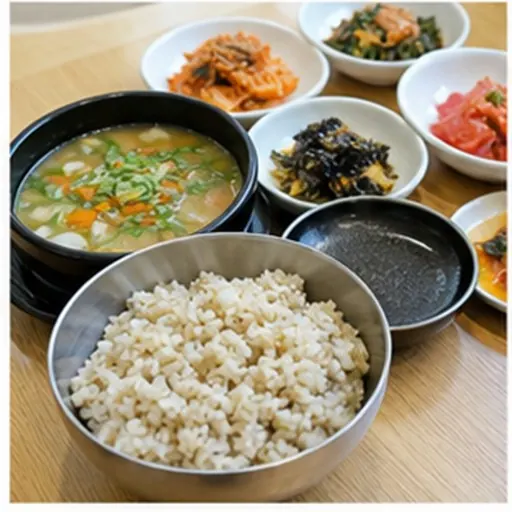
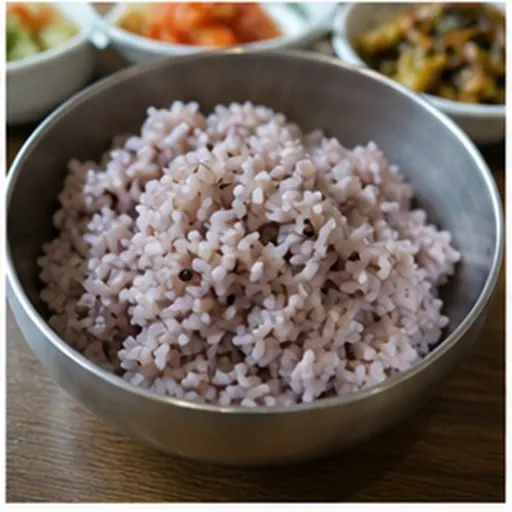
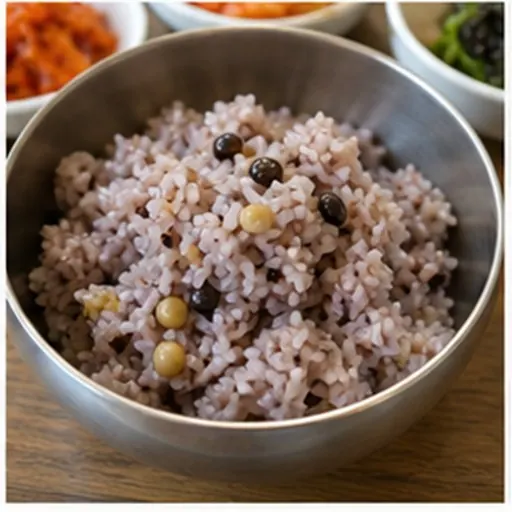
Korean-style serving of Ssam-bap

쌈밥 · Ssam-bap

Ssam-bap

쌈밥

What exactly is it?

Leafy vegetables hold small bites of rice, meat or fish and ssamjang. Lettuce and perilla are often raw; cabbage or squash leaves may be steamed. A ssambap set is a complete rice-and-side-dish meal, not just a plate of greens.

Main ingredients

Rice, lettuce, perilla or cabbage leaves, ssamjang; meat or fish accompaniments

Ordering and serving

Make small wraps that fit in one bite and use ssamjang sparingly. Ask whether more leaves are available. A generous vegetable plate does not make the set vegetarian: meat, fish or fermented seafood may be included.

Origins and changes

Korean ssam culture includes wrapping rice in leaves grown around the home. Near Gyeongju’s Daereungwon, specialist restaurants serve sets with bulgogi or grilled fish. That restaurant district is a regional expression of the practice, not the birthplace of all leaf wraps.

Sources checked

Related foods

How do similar dishes compare?

Choose a dish to compare ingredients, flavor and serving style side by side.

Dish to compare

Ssam-bap

쌈밥

Main ingredients
Rice, lettuce, perilla or cabbage leaves, ssamjang; meat or fish accompaniments
Flavor and character
Leafy vegetables hold small bites of rice, meat or fish and ssamjang. Lettuce and perilla are often raw; cabbage or squash leaves may be steamed. A ssambap set is a complete rice-and-side-dish meal, not just a plate of greens.
How to eat it
Make small wraps that fit in one bite and use ssamjang sparingly. Ask whether more leaves are available. A generous vegetable plate does not make the set vegetarian: meat, fish or fermented seafood may be included.
Read about this dish →

Barley rice

보리밥

Main ingredients
Barley, rice; vegetables, young-radish kimchi or soybean paste alongside
Flavor and character
Barley is cooked alone or with rice, giving the grains a firmer bite and less stickiness than white rice. It may be mixed with vegetables and gochujang or eaten beside soybean-paste stew. Texture changes with the proportion of barley.
How to eat it
If vegetables and gochujang arrive separately, mix the amount you want in the larger bowl. Barley contains gluten; replacing white rice with barley does not make a meal gluten-free.
Read about this dish →
Find nearby food places →

Check the restaurant’s actual menu for the dish you want.