
Attraction
Jungmyeongjeon
Jung
Korean name중명전
41-11 Jeongdong-gil, Jung-gu, Seoul (Jeongdong)
Place story
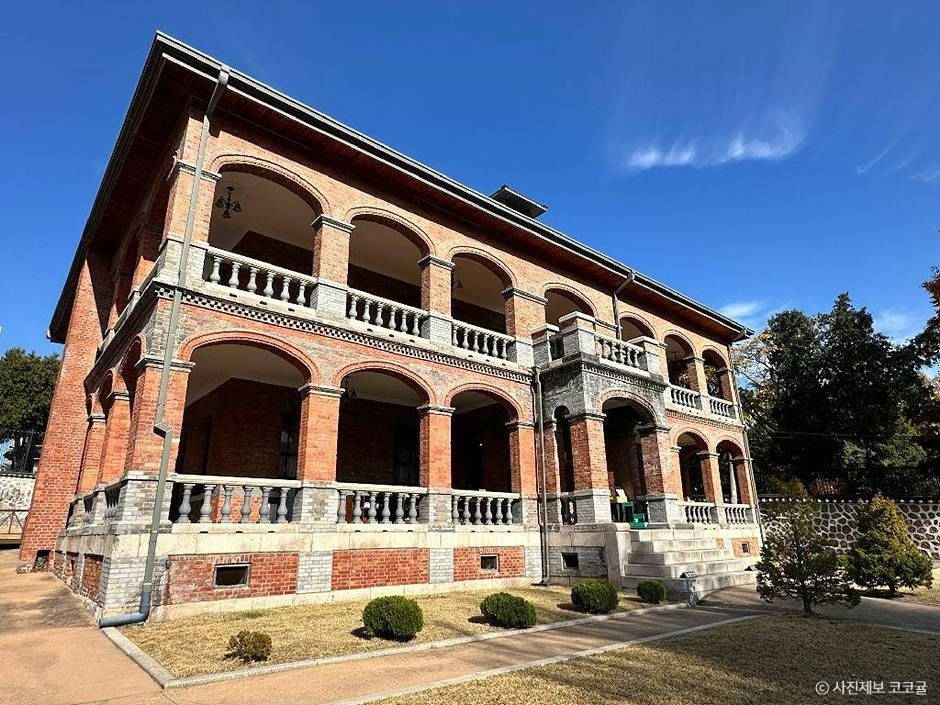
Jungmyeongjeon is an important site of the Korean Empire. It was used as a private residence for Emperor Gojong, who moved to Jungmyeongjeon after the great fire at Gyeongungung Palace (now Deoksugung Palace) in 1904. The Japan-Korea Treaty was illegally concluded here in November 1905, and it was to Jungmyeongjeon that Lee Jun and others were dispatched as special envoys to The Hague on April 20, 1907 to inform the international community of the unfairness of the Japan-Japan Treaty. Meanwhile, Jungmyeongjeon was destroyed in a fire in 1925, leaving only the outer walls, and was rebuilt and mainly used as a social club for foreigners. When the Liberal Party government came into power, it was incorporated as national property. However, in 1963, President Park Chung-hee returned Jungmyeongjeon to King Yeongchin and Lady Lee Bang-ja, who returned to Korea permanently. In 1977, Jungmyeongjeon was sold again to the private sector, purchased by Jeongdong Theater in 2003, and transferred to the management of the Cultural Heritage Administration in 2006, and was privately incorporated into Deoksugung Palace on February 7, 2007. After restoration in December 2009, it has been open to the public since August 2010 as the exhibition hall ‘The place where the fate of the Korean Empire was decided, Deoksugung Jungmyeongjeon’. If you go around the stone wall road of Deoksugung Palace to the back, you will find Jeongdong Theater, and if you go into the alley, you will find Jungmyeongjeon. Jungmyeongjeon originally belonged to the residence of Western missionaries in the Jeongdong region, but was incorporated into the palace in 1897 when Gyeongungung Palace (now Deoksugung Palace) was expanded. At this time, the name of the building was Suokheon and it was mainly used as an imperial library. However, after it burned down in a fire in 1901, it was rebuilt and took on the appearance of the two-story brick building it has today. The building was designed by Russian architect Sabatin, who also designed Dongnimmun Gate and Jeonggwanheon.
Read the Korean source description
중명전은 대한제국의 중요한 현장이다. 1904년 경운궁(현 덕수궁) 대화재 이후 중명전으로 거처를 옮긴 고종황제의 편전으로 사용되었다. 1905년 11월 을사늑약이 이곳에서 불법적으로 체결되었으며 그 후 을사늑약의 부당함을 국제사회에 알리고자 1907년 4월 20일 헤이그 특사로 이준 등을 파견한 곳도 바로 중명전이다. 한편 중명전은 1925년 화재로 외벽만 남기고 소실된 뒤 재건하여 외국인을 위한 사교클럽으로 주로 쓰이다가 자유당 정부가 들어서면서 국유재산으로 편입되었다. 그러나 1963년 박정희 대통령은 영구 귀국한 영친왕과 이방자 여사에게 중명전을 돌려주었다. 1977년 중명전은 다시 민간에 매각되었고 2003년 정동극장에서 매입한 뒤 2006년 문화유산청에 관리 전환하여 2007년 2월 7일 사적으로 덕수궁에 편입되었다. 2009년 12월 복원을 거쳐 2010년 8월부터 전시관 ‘대한제국의 운명이 갈린 곳, 덕수궁 중명전’으로 일반에 공개하고 있다. 덕수궁 돌담길을 돌아 뒤쪽으로 가면 정동극장이 있고 그 골목으로 들어가면 중명전이 있다. 중명전은 원래 정동지역 서양 선교사들의 거주지에 속해 있다가 1897년 경운궁(현 덕수궁)이 확장되면서 궁궐로 편입되었다. 이때 당호를 수옥헌이라 짓고 주로 황실 도서관 용도로 사용되었으나 1901년 화재로 전소된 후 재건되어 지금과 같은 2층 벽돌 건물의 외형을 갖추게 되었다. 건물의 설계는 독립문, 정관헌 등을 설계한 러시아 건축가 사바찐이 하였다.
Source content updated: